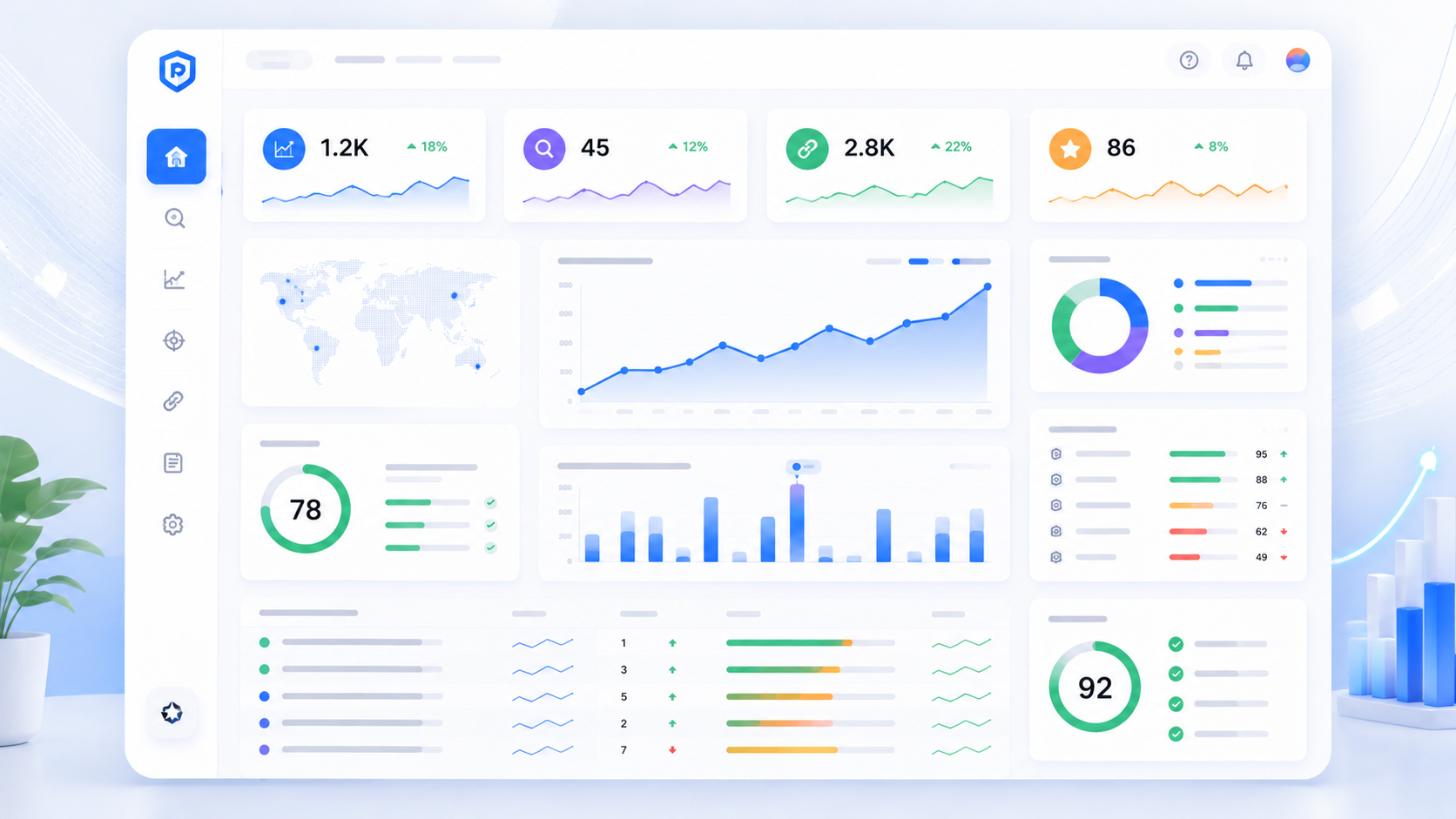
Search engine optimization (SEO) remains one of the most effective digital marketing strategies for driving organic traffic to your website. In 2026, SEO continues to evolve with algorithm updates, changing user behaviors, and new technologies. This comprehensive guide will walk you through the most effective strategies to improve your website's SEO and achieve sustainable rankings in search results.
Understanding Modern SEO
SEO is no longer just about keywords and backlinks. Today's SEO encompasses technical optimization, content quality, user experience, and authority building. Search engines like Google have become increasingly sophisticated, using machine learning and artificial intelligence to deliver the most relevant results to users. To succeed in 2026, you need a holistic approach that addresses all aspects of SEO.
The foundation of good SEO starts with understanding search intent. Why are users searching for specific queries? What information are they looking for? What problems are they trying to solve? By aligning your content with search intent, you increase your chances of ranking for relevant queries and providing value to your audience.
Keyword Research and Strategy
Effective keyword research remains crucial for SEO success. However, the approach has evolved from focusing solely on high-volume keywords to understanding user intent and topic clusters. Start by identifying your target audience and the problems they're trying to solve. Use keyword research tools to discover relevant terms and phrases your audience uses when searching.
Focus on long-tail keywords—phrases with three or more words that are more specific and less competitive. These keywords often have lower search volume but higher conversion rates because they target users with more specific intent. Group related keywords into topic clusters and create comprehensive content that addresses each cluster thoroughly.
Analyze your competitors' keyword strategies to identify gaps and opportunities. Look for keywords they're ranking for that you're not, and consider creating content to compete for those terms. However, don't simply copy your competitors—find unique angles and perspectives that differentiate your content.
On-Page SEO Optimization
On-page SEO involves optimizing individual web pages to rank higher and earn more relevant traffic. Start with your title tags—these should include your primary keyword and accurately describe your page content. Keep them under 60 characters to ensure they display completely in search results.
Meta descriptions don't directly influence rankings but significantly impact click-through rates. Write compelling descriptions that include relevant keywords and entice users to click. Keep them between 150-160 characters and include a call to action when appropriate.
Structure your content with proper heading tags (H1, H2, H3) to create a clear hierarchy. Use your primary keyword in the H1 tag and include related keywords in subheadings. This helps search engines understand your content structure and improves readability for users.
Optimize your URLs to be short, descriptive, and keyword-rich. Use hyphens to separate words and avoid unnecessary parameters or numbers. Clean URLs are easier for search engines to crawl and more user-friendly for visitors.
Content Quality and Depth
Content quality is more important than ever in 2026. Search engines prioritize comprehensive, well-researched content that provides genuine value to users. Aim for depth rather than breadth—cover topics thoroughly rather than creating many thin pieces of content.
Long-form content (1,500+ words) tends to perform better in search results because it can cover topics more comprehensively. However, length alone isn't enough—content must be relevant, accurate, and engaging. Focus on answering user questions completely and providing actionable insights.
Incorporate multimedia elements like images, videos, and infographics to enhance user engagement. Optimize images with descriptive alt text and file names to help search engines understand their content. Video content can increase time on page and improve user experience metrics.
Regularly update your content to keep it fresh and accurate. Search engines favor recently updated content for time-sensitive queries. Review your top-performing pages periodically and update them with new information, statistics, and insights.
Technical SEO Fundamentals
Technical SEO ensures that search engines can crawl, index, and understand your website effectively. Start with a sitemap.xml file that lists all your important pages and helps search engines discover your content. Submit your sitemap to Google Search Console and Bing Webmaster Tools.
Create and optimize your robots.txt file to control crawler access to your site. Block unnecessary pages like admin areas, login pages, and duplicate content from being crawled. However, be careful not to accidentally block important pages.
Ensure your website loads quickly—page speed is a ranking factor, especially for mobile. Use tools like Google PageSpeed Insights to identify performance issues and optimize images, minify code, leverage browser caching, and use a content delivery network (CDN) to improve load times.
Implement HTTPS encryption on your site. Security is a ranking signal, and browsers warn users about non-secure sites. Obtain an SSL certificate and redirect all HTTP traffic to HTTPS to protect user data and improve your rankings.
Mobile Optimization
Mobile-first indexing means Google primarily uses the mobile version of your site for ranking and indexing. Ensure your site is fully responsive and provides an excellent experience on all devices. Test your site on various screen sizes and optimize touch targets, font sizes, and navigation for mobile users.
Use the viewport meta tag to control how your site scales on different devices. Avoid common mobile SEO mistakes like unplayable content, faulty redirects, and interstitials that block content. Google's Mobile-Friendly Test can help identify mobile usability issues.
Accelerated Mobile Pages (AMP) are no longer required for good mobile SEO, but they can improve load times for mobile users. Consider implementing AMP for content-heavy pages if load speed is a significant issue.
Link Building Strategies
Backlinks remain one of the most important ranking factors, but the focus has shifted from quantity to quality. A few high-quality, relevant backlinks from authoritative sites are more valuable than many low-quality links. Focus on earning links naturally through creating link-worthy content.
Develop a content marketing strategy that naturally attracts links. Create original research, comprehensive guides, infographics, and other resources that others will want to reference and link to. Reach out to relevant websites and offer to contribute guest posts or provide expert quotes for their articles.
Build relationships with influencers and industry leaders. Engage with them on social media, comment on their blogs, and offer value before asking for links. Genuine relationships lead to more sustainable link-building opportunities.
Avoid black hat link-building tactics like buying links, link farms, or excessive link exchanges. These practices can result in penalties and long-term damage to your SEO efforts.
User Experience Signals
User experience metrics are increasingly important for SEO. Search engines track how users interact with your site and use this data to evaluate content quality. Key metrics include dwell time (how long users stay on your page), bounce rate (percentage of visitors who leave after viewing one page), and click-through rate from search results.
Improve user experience by making your site easy to navigate. Use clear menus, internal links, and breadcrumbs to help users find content. Ensure your site architecture is logical and that important pages are accessible within a few clicks from the homepage.
Optimize your site's readability with clear typography, adequate white space, and scannable content. Use bullet points, numbered lists, and short paragraphs to make content easy to digest. Poor readability increases bounce rates and negatively impacts SEO.
Local SEO Considerations
If you serve a local audience, local SEO is essential. Claim and optimize your Google Business Profile (formerly Google My Business) with accurate business information, photos, and customer reviews. Ensure your name, address, and phone number (NAP) are consistent across all online directories.
Encourage customer reviews and respond to them promptly. Reviews impact local search rankings and influence potential customers. Address negative reviews professionally and use feedback to improve your business.
Create location-specific content on your website. Include local keywords, mention local landmarks, and provide information relevant to your service area. This helps search engines understand your geographic relevance.
Measuring and Analyzing SEO Performance
Use tools like Google Search Console to monitor your site's search performance. Track metrics such as impressions, clicks, click-through rate, and average position. Identify pages that are performing well and those that need improvement.
Google Analytics provides insights into user behavior on your site. Analyze which pages have the highest traffic, longest time on page, and best conversion rates. Use this data to inform your content strategy and identify optimization opportunities.
Set up regular SEO audits to identify technical issues, broken links, duplicate content, and other problems that could impact your rankings. Address these issues promptly to maintain optimal SEO performance.
Staying Current with SEO Trends
SEO is constantly evolving, with search engines regularly updating their algorithms. Stay informed about industry news and algorithm updates by following reputable SEO blogs, attending webinars, and participating in SEO communities.
Experiment with new SEO techniques and technologies, but always prioritize user experience and content quality. Tactics that work today might not work tomorrow, but providing genuine value to users will always be rewarded.
Conclusion
Improving your website's SEO in 2026 requires a comprehensive, multi-faceted approach. Focus on creating high-quality content that addresses user intent, optimize your site technically for search engines, build authority through quality backlinks, and prioritize user experience. SEO is a long-term investment—be patient, consistent, and willing to adapt to changes in the search landscape. With dedication and the right strategies, you can achieve sustainable improvements in your search rankings and organic traffic.